How to Improve Your Jawline - Science-Backed Guide (2026)
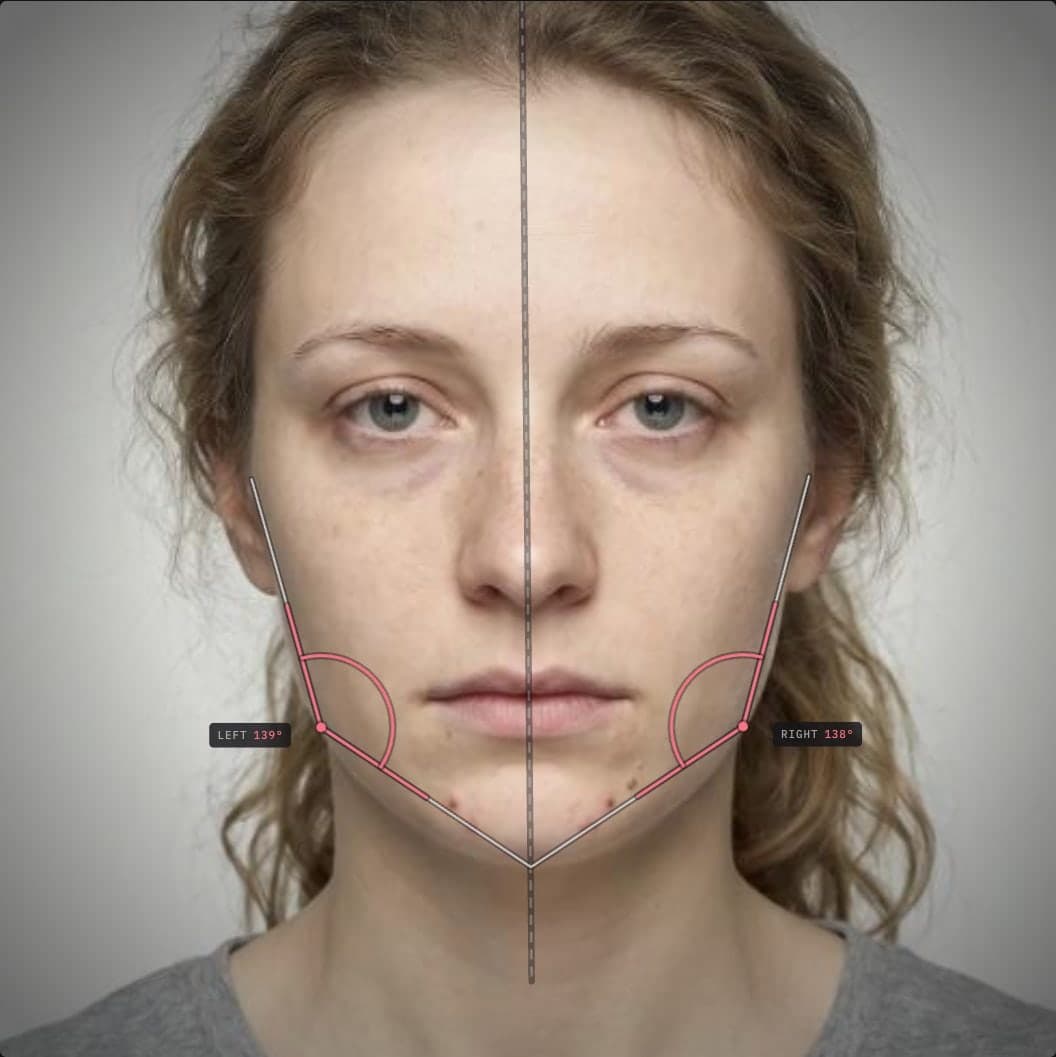
Your jawline appearance is determined by four factors: mandibular bone structure, masseter muscle volume, submental fat, and skin laxity. Most visible definition can change with overall fat loss when medically appropriate, styling, posture, and - in selected cases - professional treatment. Standard jaw exercises and chewing gum have not been shown to reshape the jaw in healthy adults. This guide separates supported findings from internet claims. Use our free face shape analyzer and facial ratios calculator to describe face length-to-width and jaw-to-cheek width from the same straight-on photo. These tools are photo estimates, not treatment planning.
Key Takeaway
If overall fat loss is appropriate for your health, it may reduce submental fullness - but no body-fat percentage guarantees a visible jawline. Bone structure, local fat distribution, skin, age, posture, and camera angle all affect the result. Avoid pursuing a fixed number for appearance alone.
What Determines Jawline Appearance?
Four anatomical components define your jawline. Understanding which ones you can change - and which you cannot - prevents wasted effort.
01
Mandibular bone structure
The genetic foundation. The angle, length, and width of your mandible set the underlying framework. This is largely fixed in adults without surgical intervention.
02
Masseter muscle volume
The primary muscle of mastication. A thicker masseter creates wider lower face width and more angular jaw corners. It is the only structural component that responds to exercise.
03
Submental fat
The adipose tissue under the chin and along the jawline. Even a small amount obscures bone and muscle definition. This is the most modifiable factor through diet and clinical treatment.
04
Skin laxity
Skin elasticity determines how tightly soft tissue drapes over bone. Collagen degradation with age loosens this drape.
With aging, two processes compound: the mandible undergoes bone resorption (losing volume at the chin and angle), and the superficial fat pads descend. The combined effect creates jowls and a less defined jawline - even in people who were previously angular.
Do Jawline Exercises Actually Work?
The honest answer: they may improve function without changing visible anatomy. A six-month randomized controlled trial of 58 healthy adults tested daily gum chewing as a masseter exercise protocol. The results were nuanced:
Positive Finding
Maximum bite force was significantly higher in the chewing group at the three-month assessment. The trial followed participants for six months; it did not report visible jaw reshaping at four weeks.
Positive Finding
Total occlusal contact area (how evenly the teeth meet) also improved measurably.
Negative Finding
But: no statistically significant changes in actual masseter muscle thickness were observed via ultrasound imaging.
Negative Finding
And: no changes in mandibular bone shape were detected on radiographic analysis.
The conclusion: chewing can improve aspects of muscle function, but this trial did not find masseter thickening or mandibular shape change. It does not establish that a harder or longer regimen would create aesthetic enlargement. High-resistance devices also lack comparable randomized evidence for visible outcomes.
Does Chewing Gum Improve Your Jawline?
Evidence Summary
Based on the randomized controlled trial above: standard gum produces functional gains (stronger bite), not visible gains (thicker masseter or sharper jaw angle). Hard gums marketed for jawline improvement - Falim gum, mastic gum, and similar products - provide substantially more chewing resistance than standard gum. In theory, higher mechanical load should drive greater muscle hypertrophy. In practice, no peer-reviewed study has demonstrated measurable aesthetic jawline changes from any chewing gum regimen. If you chew hard gum, do it because you enjoy it or want stronger bite force - not because you expect visible jaw widening.
Popular jaw-training gear
Affiliate links - we may earn a commission at no extra cost to you.
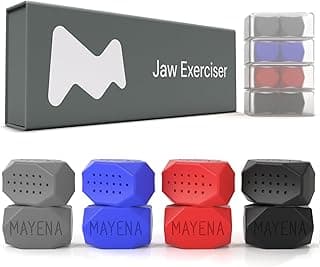
Mayena Jaw Exerciser Classic | 4 Set Silicone Jawline Exercisers | Powerful Jaw Trainer & Jawline Shaper | Strengthens Facial Muscles & Defines the Jawline
Shop on Amazon →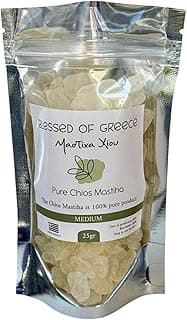
Chios Mastiha Pack 25gr (0.88oz) Medium Tears - 100% Pure Mastic Gum from Mastic Growers - Natural Raw Resin for Facial Toning & Jawline - Sugar-Free, Keto
Shop on Amazon →At What Body Fat Percentage Does Your Jawline Show?
There is no evidence-based body-fat percentage at which a jawline reliably “appears.” General body-composition categories are shown for context below, but they are not jawline thresholds or personal health targets. Where fat loss is medically appropriate, it cannot selectively remove fat from under the chin.
| Demographic | Essential Fat | Athletic / Fit Range | Obesity Threshold |
|---|---|---|---|
| Males (20-29) | ~3-5% | ~6-17% | >25% |
| Females (20-29) | ~10-13% | ~14-24% | >32% |
Commonly cited ACE categories; ranges do not predict facial-fat distribution.
Individual fat distribution varies substantially. Some people retain submental fullness at a lower overall body-fat level, while others have a visible jawline at a higher level. If you are considering weight loss, use health goals set with a qualified professional - not an appearance threshold from a face guide.
What Non-Surgical Treatments Improve Jawline Definition?
Medical and cosmetic options target different tissues and carry different risks. Evidence and candidacy vary by treatment; a licensed clinician should assess the cause of submental fullness or contour concerns in person.
| Treatment | What It Does | Evidence | Results |
|---|---|---|---|
| Kybella (ATX-101) | Injectable deoxycholic acid reduces submental fat in selected adults | FDA-approved indication | Response, session count, swelling, and adverse effects vary |
| Dermal fillers (HA/CaHA) | Add volume to mandibular angle and chin | Well-established | Temporary contour change; duration and risks vary by product |
| Radiofrequency (RF) | Skin tightening via controlled thermal injury to dermis | Moderate evidence | Mild tightening; multiple sessions needed |
| HIFU | Focused ultrasound for skin tightening and fat reduction | Moderate evidence | Protocols and durability vary; evidence is procedure-specific |
| Microcurrent devices | Electrical stimulation for muscle toning | Limited evidence | Temporary results; inconsistent data across studies |
Clinical Summary
These are not interchangeable treatments: deoxycholic acid targets selected submental fat, fillers add temporary contour, and energy devices target tissue laxity with variable evidence. Outcomes and risks depend on anatomy, product, protocol, and practitioner. At-home microcurrent evidence for lasting contour change is limited.
Is Mewing Effective for Jawline Improvement?
Mewing - maintaining the tongue flat against the roof of the mouth - is theoretically supported by Wolff's Law, which states that bone adapts its structure in response to mechanical loads placed upon it. The tongue exerts approximately 5 pounds of force during each swallow, and adults swallow 500-1,200 times per day. In theory, sustained repositioning of this force could influence palatal and maxillary bone over time.
In practice, the evidence does not support this for adults:
The British Orthodontic Society has stated there is no peer-reviewed evidence that tongue posture changes facial shape in adults.
Dr. Mike Mew, the primary proponent, was struck from the UK dental register in 2024 for making unsupported claims about orthotropics.
Adult bone remodeling is significantly slower than in children and adolescents. The maxillary suture begins fusing in the late teens.
Where palatal expansion has been observed in adults (approximately 2mm width gains), results often lack long-term stability without mechanical retention.
Proper tongue posture is beneficial for breathing, swallowing, and dental health. But expecting it to reshape your jawline as an adult is not supported by current evidence. See our full mewing results guide for a deeper analysis.
What About Posture and Forward Head Position?
Forward head posture - common in people who spend hours at a desk or on a phone - pushes the chin forward and downward, compressing the submental area and making the jawline appear softer and less defined. The hyoid bone drops, the skin under the chin bunches, and the jaw angle recedes visually. This is a perception problem, not a structural one, which means it can be improved without changing any anatomy.
Habits like this only pay off with repetition, which is why our iPhone app Chisel turns them into three small daily tasks and a photo a day over 90 days, so you can see whether the change is real.
Quick Win
Correcting forward head posture by strengthening the deep cervical flexors and stretching the suboccipital muscles pulls the head back over the spine, naturally lifting the chin and tightening the submental skin. The jawline looks sharper immediately - not because bone or muscle changed, but because the soft tissue is no longer compressed. This is arguably the fastest free improvement most people can make.
What Lifestyle Changes Help Most?
Ranked by impact, these are the lifestyle modifications with the strongest evidence for improving jawline appearance:
Use sustainable fat loss only when appropriate
Overall fat loss may reduce submental fullness for some people, but spot reduction is not possible and no percentage guarantees jaw definition. Prioritize a sustainable health plan over a fixed appearance target.
Stay hydrated and reduce sodium intake
Short-term fluid shifts can change facial puffiness, but sodium sensitivity varies and hydration does not reshape the jaw. Aim for normal, consistent hydration rather than appearance-driven extremes.
Fix forward head posture
Head position changes how the neck and jaw photograph without changing bone structure. Use comfortable ergonomics; seek a qualified clinician or physiotherapist for persistent pain or postural concerns.
Balanced chewing habits
Comfortable chewing on both sides is reasonable, but there is not strong evidence that deliberately alternating sides will reshape a healthy adult jaw. Persistent one-sided chewing may warrant a dental assessment.
Consider clinical intervention
A qualified clinician can distinguish submental fat, skin laxity, and skeletal or volume concerns and explain whether doing nothing or a treatment is appropriate, including risks and alternatives.