Best Glasses for Your Face Shape
The right frames balance your face; the wrong ones exaggerate it. The rule opticians use is simple - pick a frame shape that contrasts your face's dominant feature. Angular faces are softened by round frames; round faces are sharpened by angular ones. This guide gives specific eyeglass and sunglass recommendations for all six face shapes, for men and women. Not sure of your shape? Use our free face shape detector first.
Key Takeaway
Match the frame to the opposite of your face's strongest line, keep the frame about as wide as your face, and let the brow line follow the top of the frame. Beyond that, frame choice is personal - these are starting points, not rules.
How Your Face Shape Decides Your Frames
Three checks do most of the work, whatever your shape:
- 1
Contrast the shape - round frames soften angular faces; angular frames define round faces; bottom-weighted frames balance a wide forehead.
- 2
Match the width - the frame should be roughly as wide as the widest part of your face - no pinching, no overhang past the temples.
- 3
Follow the brow - the top edge of the frame should sit close to and follow your brow line, with your eyes near the centre of each lens.
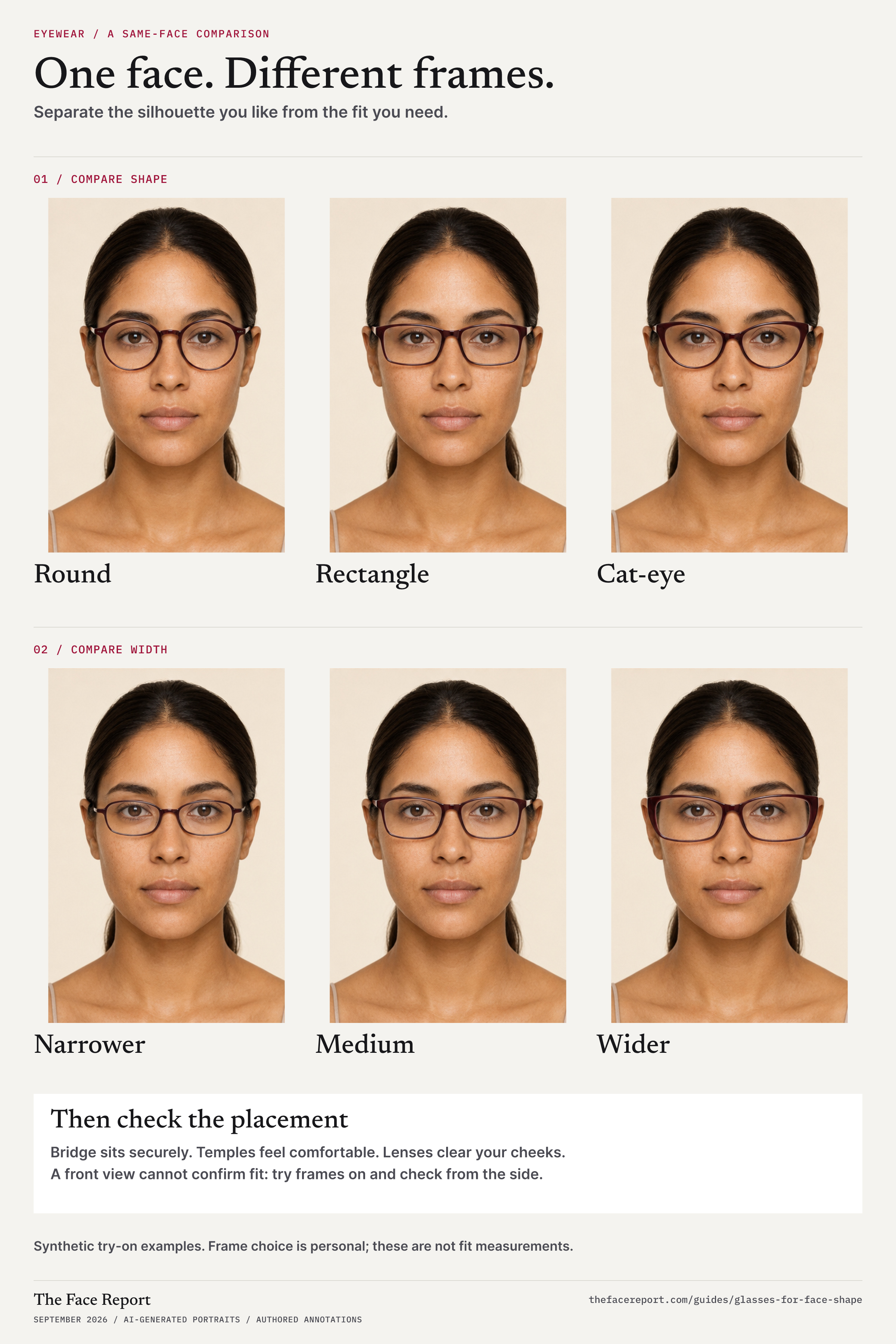
Start with the frame silhouette, then compare width and placement. These synthetic try-on examples show how frames change the visual emphasis on a similar face. A front view cannot establish comfort, bridge fit, temple fit or prescription lens centration.
Open the image above to inspect the details at full size.
One face. Different frames. The Face Report (2026). https://thefacereport.com/guides/glasses-for-face-shape#glasses-same-face-comparison
How this was made & reuse permission
AI-generated try-on illustrations designed to preserve the same adult face, pose and lighting across six panels. Small rendering differences remain; this is an editorial styling comparison, not a controlled optical fitting experiment or a millimeter measurement. Frames are unbranded illustrative designs. Verify physical fit by trying frames on.
You may reproduce this reference graphic in articles, teaching materials and social posts. A credit to The Face Report and a link to this source page are appreciated. If you adapt it, identify your changes and keep its illustrative context clear. This permission applies to this graphic.
Permanent source link · Published September 4, 2026 · Version 1
Frame Styles at a Glance
Which Frame Flatters Which Shape
| Frame | Best for | Why |
|---|---|---|
 Rectangular Rectangular | Round, Oval | Adds length and angles; the most face-slimming everyday shape. |
 Round Round | Square, Heart, Diamond, Oblong | Softens strong angles; on a long face the circular line also adds width. |
 Aviator Aviator | Square, Oval, Heart | Teardrop lens balances a strong jaw; a near-universal classic. |
 Wayfarer Wayfarer | Oval, Round, Heart | Slightly angular and versatile - works for most faces. |
 Cat-eye Cat-eye | Diamond, Heart, Round | Lifts and widens the upper face, drawing the eye up and out. |
 Browline Browline | Round, Oval | Heavier top bar adds structure and definition at the brow. |
 Geometric Geometric | Round, Oval | Hexagon and angular statement shapes that add facial contrast. |
 Oversized Oversized | Oblong, Heart | Adds width and coverage; ideal for sunglasses on longer faces. |
 Rimless Rimless | Square, Diamond | Minimal and light - softens angles without adding visual weight. |
What Glasses Suit a Round Face?
Add angles and definition to soften the curves. Round faces have near-equal width and length with soft edges, so angular frames introduce the structure the bone doesn't.
| Eyeglasses | Rectangular, square, browline, and geometric frames. Angular shapes contrast the soft contours and make the face read longer and slimmer. |
| Sunglasses | Square, wayfarer, and geometric sunglasses. |
Shop sunglasses that suit a round face
Affiliate links - we may earn a commission at no extra cost to you.
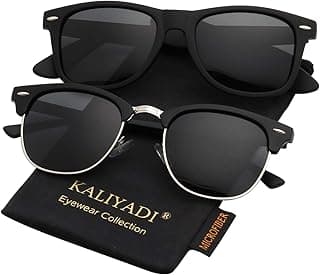
Wayfarer
KALIYADIPolarized Sunglasses for Men and Women Semi-Rimless Frame Driving Sun glasses UV Blocking
Shop on Amazon →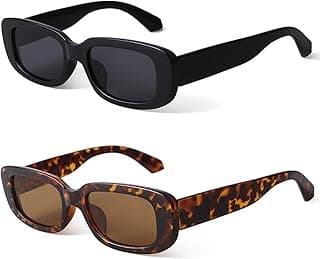
Square
KUGUAOKRetro Rectangle Sunglasses Women and Men Vintage Small Square Sun Glasses UV Protection Glasse
Shop on Amazon →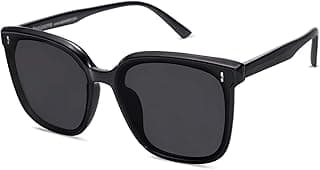
Square
SOJOSSunglasses for Women Men Vintage Style Shades SJ2157
Shop on Amazon →Avoid: Round and small circular frames - they echo the face's curves and emphasise width.
What Glasses Suit a Square Face?
Soften the strong jaw and forehead with curves. Square faces have a wide, angular jaw and forehead of similar width, so rounded frames add the contrast that softens them.
| Eyeglasses | Round, oval, and rimless frames, plus classic aviators. Curved edges balance the angular jawline and broad forehead. |
| Sunglasses | Aviator, round, and oval sunglasses. |
Shop sunglasses that suit a square face
Affiliate links - we may earn a commission at no extra cost to you.
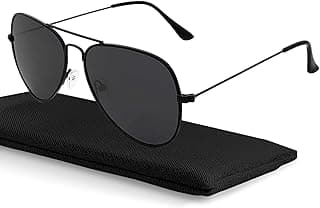
Aviator
livholivho Sunglasses for Men Women Aviator Polarized Metal Mirror UV 400 Lens Protection
Shop on Amazon →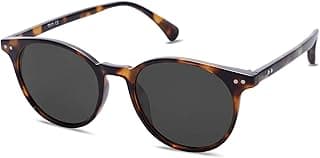
Round
SOJOSSmall Round Classic Polarized Sunglasses for Women Men Vintage Style UV400 Lens MAY SJ2113
Shop on Amazon →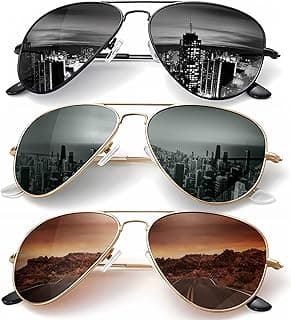
Aviator
KALIYADIClassic Aviator Sunglasses for Men Women Driving Sun glasses Polarized Lens UV Blocking
Shop on Amazon →Avoid: Boxy, square frames with sharp corners - they double up on the face's existing angles.
What Glasses Suit a Oval Face?
Maintain the natural balance - almost anything works. Oval faces are already balanced (length ~1.5× width), so the only risk is a frame that pushes proportions to an extreme.
| Eyeglasses | Wayfarer, square, geometric, and aviator frames. The safest rule is a frame as wide as the broadest part of your face. |
| Sunglasses | Most styles suit you - wayfarer, aviator, round, and square. |
Shop sunglasses that suit a oval face
Affiliate links - we may earn a commission at no extra cost to you.
Wayfarer
KALIYADIPolarized Sunglasses for Men and Women Semi-Rimless Frame Driving Sun glasses UV Blocking
Shop on Amazon →Aviator
livholivho Sunglasses for Men Women Aviator Polarized Metal Mirror UV 400 Lens Protection
Shop on Amazon →Aviator
KALIYADIClassic Aviator Sunglasses for Men Women Driving Sun glasses Polarized Lens UV Blocking
Shop on Amazon →Avoid: Oversized frames that cover too much of the face and upset the natural proportions.
What Glasses Suit a Heart Face?
Balance a wide forehead with width lower down. Heart faces are widest at the forehead and taper to the chin, so lighter tops and fuller bottoms even out the proportions.
| Eyeglasses | Bottom-heavy, light-coloured, rimless, and round or oval frames. Subtle cat-eye works too. Keep the top line slim. |
| Sunglasses | Aviator, round, and bottom-weighted sunglasses. |
Shop sunglasses that suit a heart face
Affiliate links - we may earn a commission at no extra cost to you.
Wayfarer
KALIYADIPolarized Sunglasses for Men and Women Semi-Rimless Frame Driving Sun glasses UV Blocking
Shop on Amazon →Aviator
livholivho Sunglasses for Men Women Aviator Polarized Metal Mirror UV 400 Lens Protection
Shop on Amazon →Round
SOJOSSmall Round Classic Polarized Sunglasses for Women Men Vintage Style UV400 Lens MAY SJ2113
Shop on Amazon →Avoid: Heavy, embellished, or top-accented frames and decorative temples - they add weight where the face is already widest.
What Glasses Suit a Diamond Face?
Highlight the eyes and add width at the brow. Diamond faces are widest at the cheekbones with a narrow forehead and chin, so brow-line width rebalances the middle.
| Eyeglasses | Cat-eye, oval, browline, and rimless frames. Detail or width along the top line draws attention up to the eyes. |
| Sunglasses | Cat-eye, round, and rimless sunglasses. |
Shop sunglasses that suit a diamond face
Affiliate links - we may earn a commission at no extra cost to you.
Round
SOJOSSmall Round Classic Polarized Sunglasses for Women Men Vintage Style UV400 Lens MAY SJ2113
Shop on Amazon →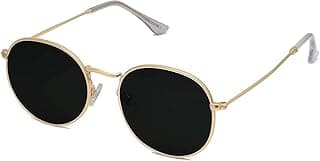
Round
SOJOSSmall Round Polarized Sunglasses for Women Men Classic Vintage Retro Shades UV400 SJ1014
Shop on Amazon →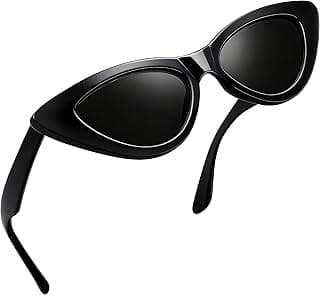
Cat-eye
JoopinPolarized Cat Eye Sunglasses for Women Vintage Cateye Sun Glasses UV400 Protection
Shop on Amazon →Avoid: Narrow or boxy frames that emphasise the already-prominent cheekbones.
What Glasses Suit a Oblong Face?
Add width and shorten the face. Oblong (rectangular) faces are noticeably longer than wide, so deep frames break the vertical line and add balancing width.
| Eyeglasses | Tall, deep frames with decorative or contrasting temples - oversized, round, and square frames with real depth. |
| Sunglasses | Oversized, round, and wraparound sunglasses. |
Shop sunglasses that suit a oblong face
Affiliate links - we may earn a commission at no extra cost to you.
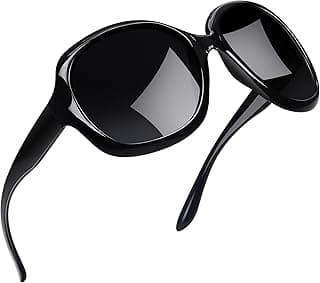
Oversized
JoopinOversized Sunglasses Womens Trendy Polarized Large Driving Sun Glasses Ladies UV Protective Big Sunnies Shades
Shop on Amazon →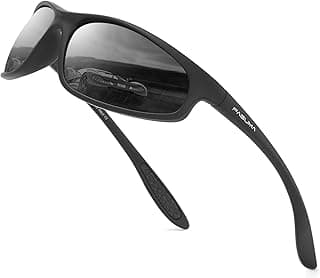
Wraparound
FAGUMAPolarized Sports Sunglasses For Men Cycling Driving Fishing UV400 Protection
Shop on Amazon →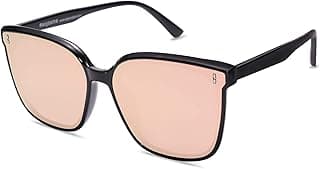
Oversized
SOJOSSunglasses for Women Men Vintage Style Shades SJ2157
Shop on Amazon →Avoid: Small, narrow, or short frames - they make a long face look even longer.
Do Glasses Rules Differ for Men and Women?
The fit and contrast rules are identical - they follow face geometry, not gender. The difference is in styling range and a couple of variables.
Men
Larger, more angular frames dominate - wayfarer, browline, aviator, and rectangular shapes. A beard adds visual width to the lower face, so a stronger or wider frame keeps the eyes balanced against it. Heavier brow bars suit a round or oval face; rounder frames soften a strong, square jaw.
Women
A wider styling range, including cat-eye and decorative or coloured frames that lift and widen the upper face - especially flattering for diamond and heart shapes. The same fit checks apply: frame width to face width, eyes centred, brow line followed.
Frequently Asked Questions
How do I know what glasses suit my face shape?
The governing principle is contrast: choose a frame shape that opposes your face's dominant feature. Angular faces (square, oblong) are flattered by round and oval frames; soft, round faces are flattered by rectangular and geometric frames; faces that are widest at the forehead (heart) suit bottom-weighted frames, while faces widest at the cheekbones (diamond) suit brow-line detail. Beyond shape, the frame should be about as wide as the widest part of your face, and the top of the frame should roughly follow your brow line. If you are not sure of your shape, an AI face shape detector classifies it from a single photo in seconds.
What glasses suit a round face?
Round faces are flattered by angular frames that add definition the soft bone structure lacks: rectangular, square, browline, and geometric shapes all lengthen and slim the face. For sunglasses, square and wayfarer styles work well. Avoid round and small circular frames, which echo the face's curves and emphasise width.
What glasses suit a square face?
Square faces have a strong, angular jaw and broad forehead, so curved frames provide the most flattering contrast: round, oval, and rimless frames, plus classic aviators, soften the angles. For sunglasses, aviators and round lenses are reliable. Avoid boxy, sharp-cornered frames that reinforce the face's existing angularity.
Which face shape can wear any glasses?
Oval faces are the most versatile because their proportions are already balanced - the face length is roughly 1.5 times the width with no single dominant feature. Almost every frame shape works, from wayfarers to aviators to geometric styles. The only real caution is avoiding oversized frames that cover too much of the face and disrupt the natural balance.
What sunglasses are best for my face shape?
The same contrast logic applies as for eyeglasses, with coverage and proportion mattering more. Round faces suit square and wayfarer sunglasses; square faces suit aviators and round lenses; heart faces suit aviators and bottom-weighted styles; diamond faces suit cat-eye and round; and oblong faces suit oversized or wraparound styles that add width. Aviators are close to a universal flattering style. Whatever the shape, prioritise frames offering full UV400 protection.
Do glasses recommendations differ for men and women?
The underlying fit and contrast rules are identical - they are driven by face geometry, not gender. The difference is mostly in available styling: men tend toward larger, more angular frames (wayfarer, browline, aviator, rectangular) and should account for how a beard adds visual width to the lower face, while women's ranges include more cat-eye and decorative options. The universal fit checks - frame width matching face width, eyes centred in the lenses, and the brow line following the frame top - apply to everyone.
How should glasses fit my face?
Three checks matter most. First, frame width: the frames should be about as wide as the widest part of your face and the temples should not pinch or leave gaps. Second, eye position: your eyes should sit close to the horizontal centre of each lens, not high or off to one side. Third, proportion: the visual weight of the frame should match your features - bold features carry heavier frames, delicate features suit lighter ones. Get these right and frame shape becomes the finishing touch rather than the whole decision.
How do I find my face shape from a photo?
Measure four widths - forehead, cheekbones, jawline, and total face length - and compare the ratios, or upload a front-facing photo to an AI face shape detector that maps hundreds of facial landmarks and classifies your shape automatically. Our free face shape tool returns oval, round, square, heart, diamond, or oblong in seconds, which is the fastest way to know which frames to try.
Find Your Face Shape First
Upload a front-facing photo and our AI maps 478 facial landmarks to classify your face shape instantly - then you'll know exactly which frames to try. Free, private, no signup.
Detect My Face ShapePut it into action
Know your shape, then get frame & styling recommendations matched to it.
Face Shape Detector
FreeIdentify your face shape from 478 landmarks before you shop for frames.
Hairstyle by Face Shape
The companion guide - the most flattering haircuts and styles for your shape.
Get your facial beauty report
Get your shape measured, then frame & styling recommendations matched to it - plus your symmetry score and personalized plan.
Custom Studio
Try different looks on your own photo - see changes before you commit.