The Best Haircuts for an Oval Face
An oval face runs about one and a half times longer than it is wide, with a forehead marginally broader than the jaw and no single feature demanding attention. That balance is why stylists treat it as the reference shape: where every other face needs a cut that corrects a proportion, an oval needs one that protects a proportion you already have. Your job here is preservation, not correction - a genuinely different starting point from any other shape.
That freedom comes with one catch. Because nothing about an oval needs fixing, the only way to go wrong is to manufacture an imbalance that was never there. Long, flat, center-parted hair drags the face longer until it starts to read as oblong. Heavy volume at the sides with no lift at the crown rounds it out. The cuts that flatter an oval hold its length-to-width ratio roughly where it is - they frame the face, they don't stretch it or widen it.
So the usual question, 'what does my face shape need?', mostly answers itself: not much. The more useful questions are secondary. How tall is your forehead? How fine or coarse is your hair? Do you want to show the jaw or soften it? On an oval, those details - not the shape itself - decide the cut. The sections below sort the genuinely flattering options from the few that quietly break the balance.
The rule
Preserve your natural balance - frame the face without stretching it longer or widening the sides. Not sure this is your shape? Try our free hairstyle finder first - it detects your shape and lists your matched cuts.
Best Haircuts for Oval Faces - Women
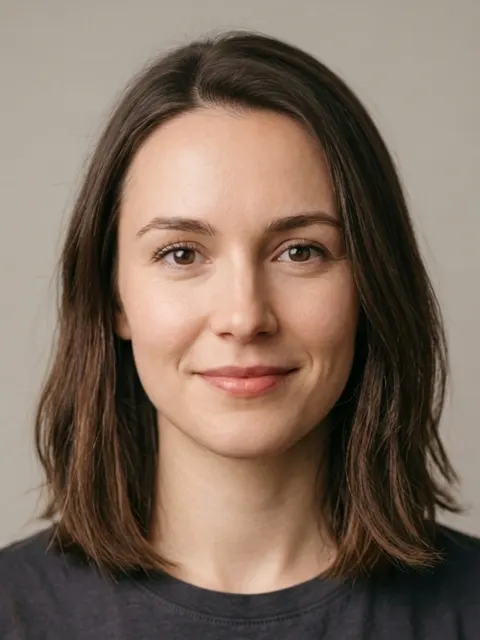
Textured collarbone lob
The lob lands at the collarbone, the one length that showcases an oval's balance without dragging it longer. Soft internal layers add the movement that keeps long hair from going flat and over-elongating the face.
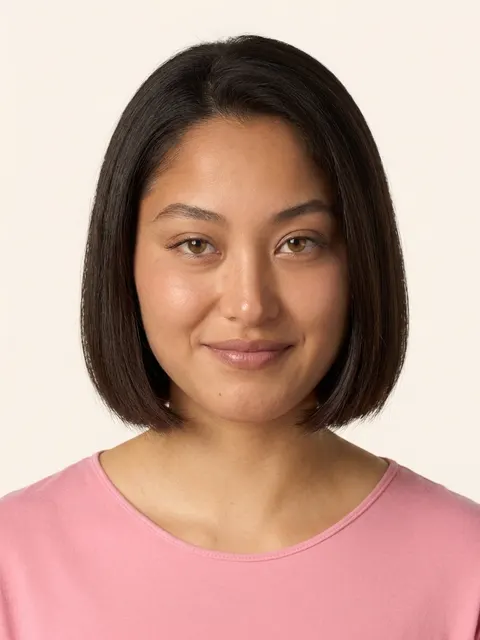
Chin-to-jaw blunt bob
Oval is one of the few shapes that can wear a blunt horizontal line at the jaw, because the jaw isn't wide and the face isn't round. The bob frames cleanly instead of adding width or shortening the face.
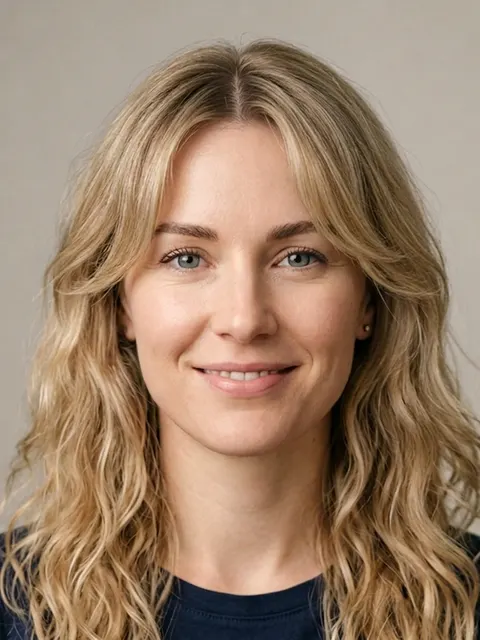
Curtain bangs or soft side-swept fringe
Ovals often carry a slightly taller forehead, and a soft fringe is the one corrective move the shape actually benefits from. It shortens the forehead and frames the eyes without hiding the balanced bone structure.
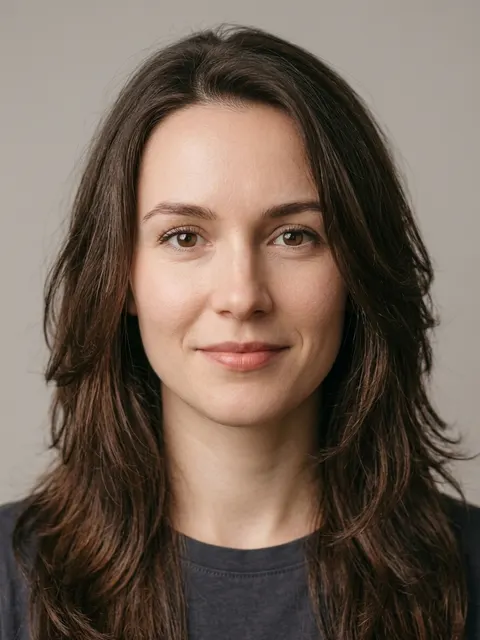
Long layers with face-framing pieces and crown lift
Long hair suits an oval, but only with shape. Layers and a little root volume at the crown stop the length from sliding into oblong territory, while face-framing pieces hold attention at the cheekbones.
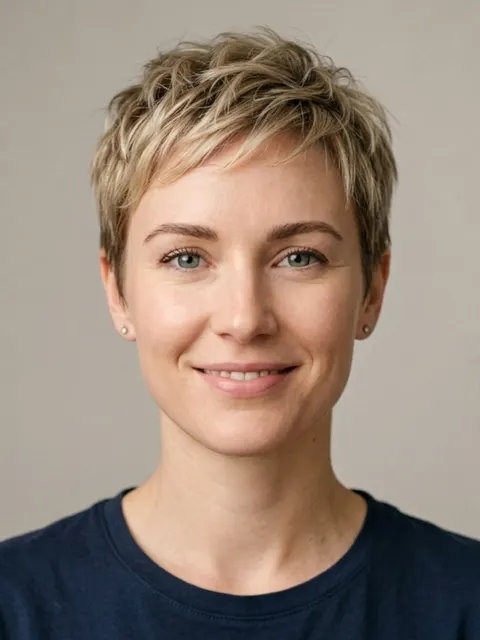
Pixie or short crop
A pixie exposes the bone structure rather than correcting it, which is exactly why it works on an oval. Balanced proportions can carry a cut that leaves the whole face on display.
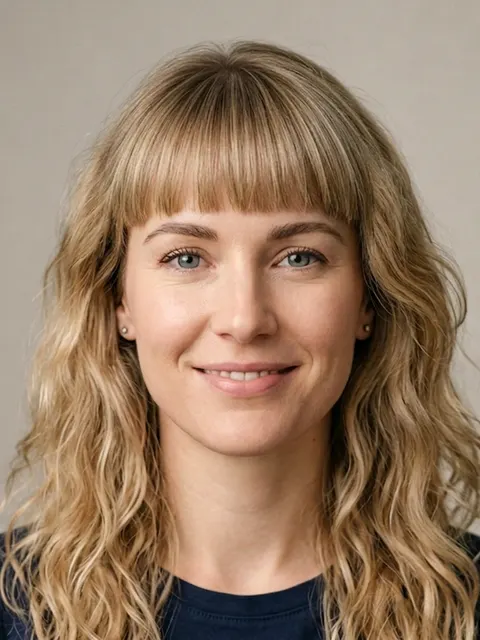
Blunt full fringe
A heavy, straight-across fringe visually shortens the face - a liability on longer shapes, but a stylish option on an oval, which has the length to spare and the balance to anchor a bold front.
Best Haircuts for Oval Faces - Men
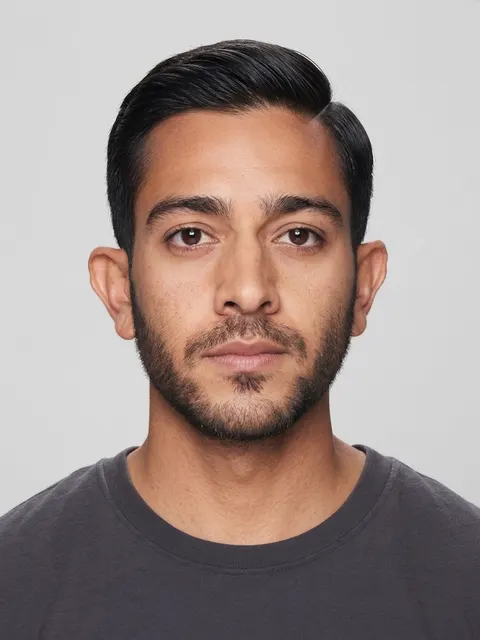
Classic side part with a taper
The default versatile cut. An oval supports a clean side part with no corrective shaping, so part placement and taper come down to preference and hair density rather than fixing a proportion.
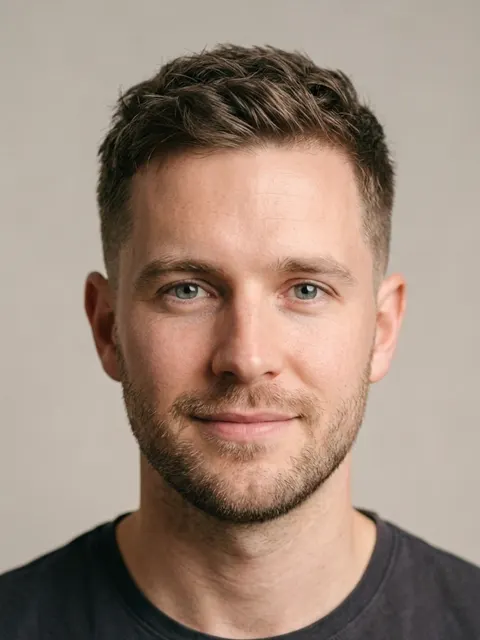
Textured French crop
The forward fringe shortens a taller forehead and the cropped sides stay tidy. An oval can wear the fringe as a style choice rather than a cover-up, since it doesn't need width or length added.
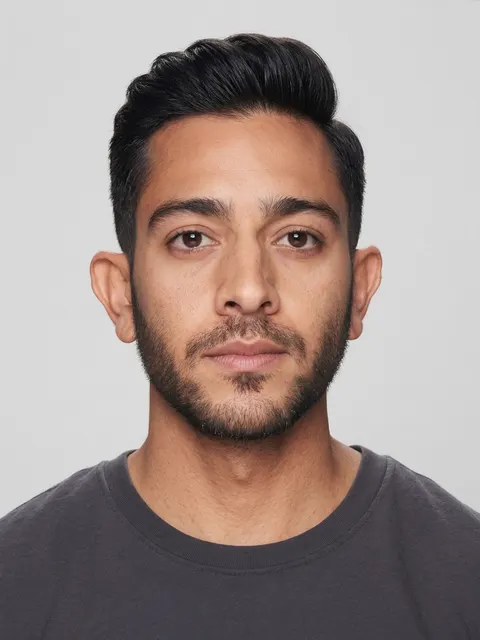
Moderate quiff or pompadour
Height suits an oval, but keep it moderate. A sky-high pomp stacked on an already-balanced face can tip it toward long, so a controlled quiff adds presence while protecting the length-to-width ratio.
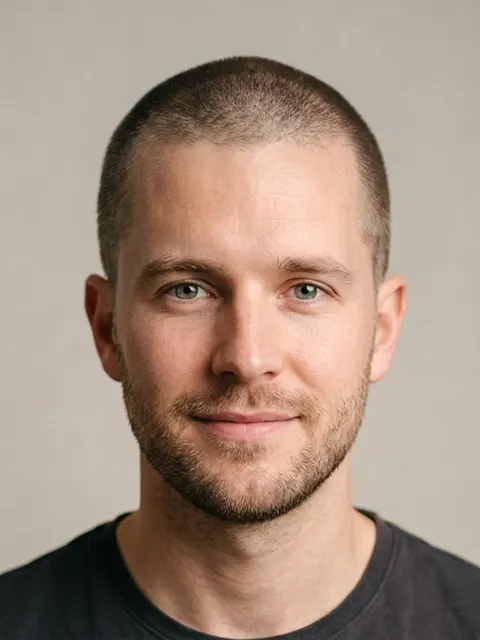
Buzz cut or crew cut
Like the pixie, a buzz puts bone structure on full display. Oval is the shape best equipped to go this short, because there's no width or roundness for the cut to expose.
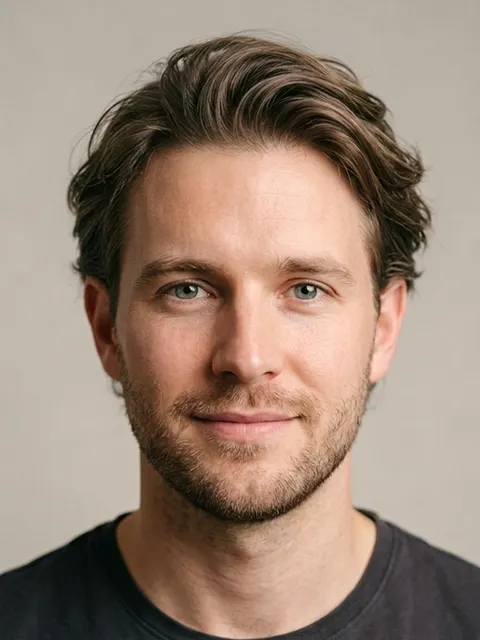
Medium swept-back or flow
Shoulder-skimming, swept-back length works because an oval's balanced features hold up when the face is fully framed and open. Keep some bend or wave so the length doesn't flatten and elongate.
By Hair Type
Straight
Sleek and straight is where an oval is most likely to over-elongate. Break the vertical line with a lob or with layers and a slight bend, rather than long, flat, center-parted lengths.
Wavy
The easiest match. Natural movement supplies the angles and framing an oval likes, and a collarbone-length wavy cut sits right in the shape's sweet spot with almost no styling effort.
Curly
Volume on top is welcome, but watch the sides. A wide, round halo with no extra height can round out an oval, so keep curls lifted at the crown and tapered slightly at the cheeks.
Fine/thin
Oval can go short, and short usually flatters fine hair more than length. A blunt bob or crop builds the illusion of density; avoid long, limp lengths that flatten at the crown and stretch the face.
Thick/coarse
Heavy blunt cuts and long layers are both on the table. Remove weight at the perimeter near the jaw so thick hair doesn't widen into a pyramid, the one way coarse hair can unbalance an oval.
What to Avoid with a Oval Face
- ✕Long, sleek, center-parted hair with no layers - the flattest, longest version of your hair drags an oval toward oblong.
- ✕Heavy volume at the sides with a flat crown - width without height rounds the face out and erases its natural length.
- ✕Dense front layers that curtain off the whole face - hiding the cheekbones and jaw wastes the balanced proportions that make an oval easy to style.
- ✕Over-correcting with cuts meant for other shapes - piling crown height onto an already-tall forehead, or chasing a longer look you don't need, manufactures the imbalance you started without.
- ✕One-length blunt cuts with zero movement - a stiff, helmet-like perimeter flattens the natural taper and can read heavier than the face actually is.
Frequently Asked Questions
What is the best haircut for an oval face female?
There's no single best, because an oval suits more cuts than any other shape, but the safest high-impact choices are a textured collarbone lob or a layered cut with curtain bangs. Both frame the face and add movement without stretching or widening it. If you want something bolder, an oval is also the shape most able to carry a blunt bob, a full fringe, or a pixie.
What is the best haircut for an oval face male?
A classic side part or a textured crop is the reliable default, since an oval needs no corrective shaping. If your forehead runs tall, a forward French crop helps; if you like height, keep a quiff moderate rather than towering so you don't elongate the face. Buzz and crew cuts work too, because balanced bone structure looks good fully exposed.
What hairstyle suits an oval face?
Almost any, which is the point - oval is the reference shape stylists balance other faces toward. The few rules are about preservation: keep some volume at the crown, avoid long flat center-parted hair that over-elongates, and don't hide the face entirely. Within those guardrails you can move freely from a pixie to long layers.
What haircuts should an oval face avoid?
Very long, sleek, center-parted hair with no layers, because it over-elongates; heavy side volume with a flat crown, because it rounds the face out; and dense front layers that curtain off the cheekbones and jaw. None of these are flaws in the cut itself - they simply introduce an imbalance an oval doesn't have, which is the only real way to go wrong with this shape.
See These Cuts on Your Own Face
Your facial beauty report renders the most flattering hairstyles for your shape on your own photo - so you can see the cut before the salon chair.
Get my facial beauty reportPut it into action
Confirm your shape, then see the cut on your own face.
Hairstyle Finder
FreeDetect your face shape and get your matched cut list - free, in your browser.
All Face Shapes
The hub guide - flattering haircuts for every face shape in one place.
Get your facial beauty report
Flattering hairstyles rendered on your own photo, plus your shape, symmetry and a styling plan.
Glasses by Face Shape
The frames that flatter your shape - the companion eyewear guide.