Oval
Balanced proportions with a slightly narrower forehead and jaw compared to cheekbones. Considered the most versatile face shape.
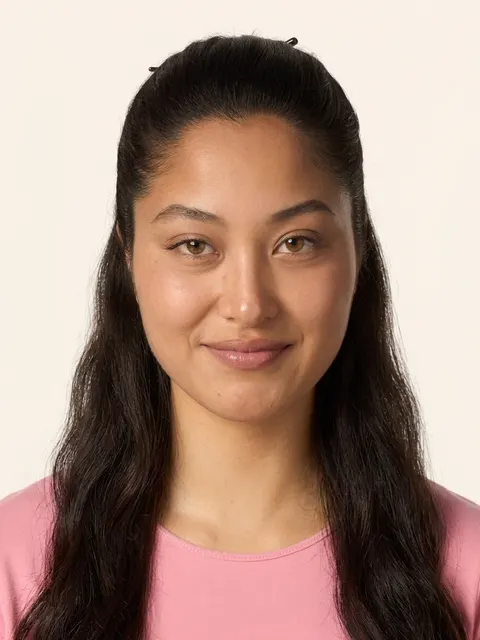


Best styles
Side-swept bangs · Long layers · Textured crops · Pompadour
Full oval-face guide →Stop guessing which haircut suits you. Upload a photo and the free hairstyle finder measures your face shape from 478 landmarks - entirely in your browser, nothing uploaded - then shows the haircuts and styles that balance your proportions, for men and women.
Upload a photo
Drag and drop or choose a file
JPG, PNG or HEIC, up to 30MB
Your photo never leaves your device
The principle behind every recommendation is balance: add visual width where a face is narrow, length where it's wide, and softness where it's angular. Here's the standard guidance for all six shapes - the finder above tells you which one is yours.
Balanced proportions with a slightly narrower forehead and jaw compared to cheekbones. Considered the most versatile face shape.
Best styles
Side-swept bangs · Long layers · Textured crops · Pompadour
Full oval-face guide →Face width and length are nearly equal, with full cheeks and a rounded jawline. Soft, youthful appearance.
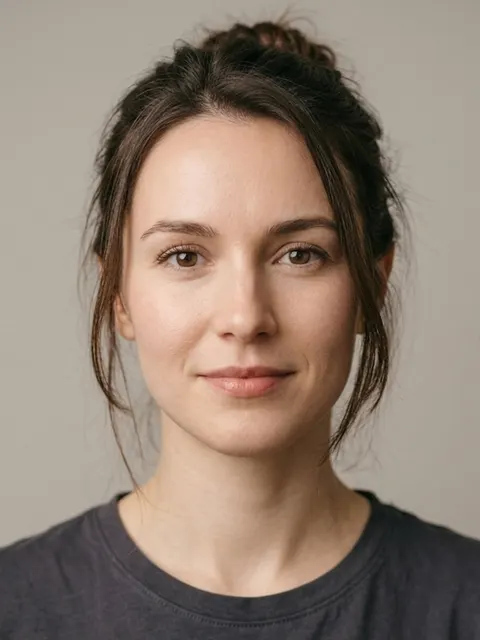
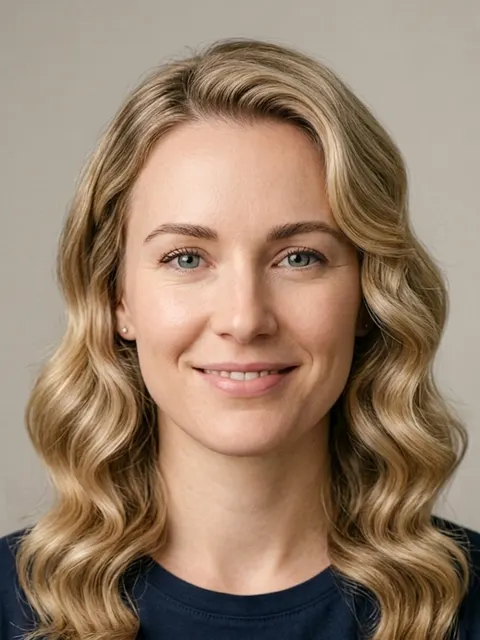
Best styles
Long layers past the chin · Side parts · Angular bobs · Volume on top · Textured quiffs
Full round-face guide →Strong, angular jawline with forehead, cheekbones, and jaw of similar width. Projects strength and definition.
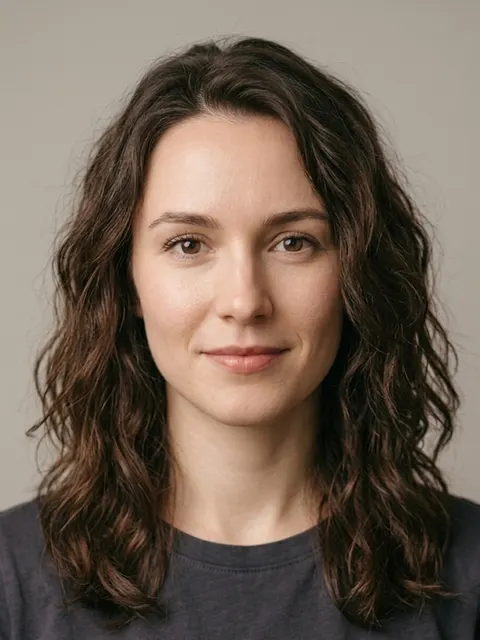

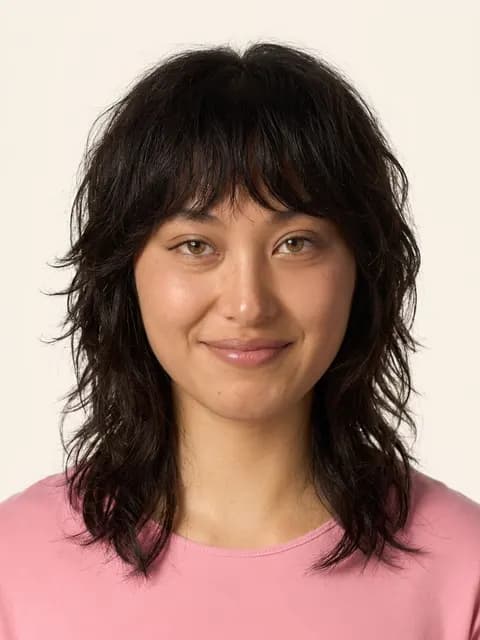
Best styles
Soft layers around the face · Side-swept bangs · Textured waves · Longer styles that soften angles
Full square-face guide →Wider forehead and cheekbones that taper to a narrower chin. Often accompanied by a widow's peak.
Best styles
Side-swept bangs · Chin-length or longer styles · Layers that add width at the jaw · Medium-length textured styles
Full heart-face guide →Face is noticeably longer than it is wide, with a long straight cheek line. Forehead, cheekbones, and jaw are of similar width.


Best styles
Bangs or fringe · Chin-length bobs · Layers that add width · Side parts with volume
Full oblong-face guide →Narrow forehead and jawline with the widest point at the cheekbones. Angular and distinctive.

Best styles
Side-swept bangs · Chin-length styles · Tousled textures · Styles that add width at forehead or jaw
Full diamond-face guide →The geometry is identical for everyone - what changes is the style vocabulary. These are the barbershop-standard picks per shape (and the same balance rules apply to facial hair - see the beard styles guide):
Balanced proportions carry almost any cut - pick by hair type and maintenance, not correction.
Height on top plus tight sides visually lengthens the face; avoid full, rounded fringes.
A strong jaw pairs well with short, clean cuts; add texture on top to soften the angles if preferred.
Fringe and mid-length texture balance a wider forehead; very tight sides can exaggerate the taper to the chin.
Skip extra height on top - it lengthens an already long face. Fringe and fuller sides add width.
Fringe adds width at the forehead to balance prominent cheekbones; very tight fades emphasize them.
The finder detects 478 facial landmarks in your browser and computes the ratios that define face shape: forehead width, cheekbone width, jaw width, and face length relative to each other. Your measurements are compared against six shape profiles and the closest match wins - with a confidence level and a runner-up shape when you're near a boundary, because most real faces are blends, not textbook categories. Everything runs on your device; the photo is never uploaded for this step.
It depends on which of the six face shapes you have - oval, round, square, heart, oblong, or diamond. The general principle: choose styles that balance your proportions. Round faces benefit from height and angular lines; long faces from width and fringe; square jaws from softening layers; heart shapes from width near the jaw. Upload a photo above and the finder measures your face shape and shows the matching style guidance in seconds.
Measure four things: forehead width, cheekbone width, jaw width, and face length. The relationships between them determine your shape - for example, cheekbones widest with a narrow jaw and forehead is diamond; roughly equal width and length with full cheeks is round. This tool detects 478 facial landmarks in your browser and computes the ratios for you, including a runner-up shape when you're near a boundary.
The face-shape rules are the same for everyone; what differs is the style vocabulary. Upload a photo and the results include a men's section with barbershop-standard picks for your measured shape: height on top with tight sides for a round face, a crew cut or textured crop for a square jaw, a fringe or French crop for a long face, mid-length texture for a heart shape, a textured fringe for diamond, and almost any cut for oval.
You don't need an app - this finder runs free in your mobile or desktop browser. Your photo is processed entirely on your device using local landmark detection; it is never uploaded for the face-shape step. If you want to see recommended styles rendered on your own photo, the paid Face Report includes AI hairstyle try-ons generated from your picture.
The free finder gives you your face shape and the recommended style list. The full Face Report goes further: it generates AI hairstyle previews on your actual photo, so you can judge a style on your own face - plus your complete facial analysis, color palette, and a personalized plan.
Beards follow the same balance rules as hair. Round faces: a beard with length at the chin and shorter sides adds the vertical line the face lacks. Square faces: slightly rounded or shorter beards soften the jaw's angles. Oblong faces: fuller sides and less chin length add width instead of stretching the face further. Heart and diamond shapes: a fuller beard builds up the narrow lower third and balances wider cheekbones or forehead. Oval: most styles work - choose by growth pattern and maintenance.
The same balance principle applies. Round faces suit angled, higher-arched brows (they add vertical structure); long faces suit flatter, more horizontal brows (they visually shorten); square faces suit soft, curved arches that counter the jaw's angles; heart and diamond shapes suit balanced, medium arches that don't add more width up top. As with hair, treat these as starting points - brow thickness trends and your natural growth pattern matter as much as geometry.
Most faces are. The classifier reports a confidence level and a runner-up shape whenever your measurements sit near a boundary - in that case, style advice for both shapes is worth reading, and styles recommended for both are the safest bets. Shape categories are descriptive conventions, not biological facts.
Face Shape Detector
The measurement tool on its own, with landmark overlay and mesh views
Face Shape & Hairstyle Guide
The complete hub: every shape, every style, with photos
Personal Color Analysis
Your 12-season color palette from a selfie - pairs with your new cut
How Old Do I Look?
Free AI face age test with the factors driving the estimate